Franklin Expedition King William Island: A Frozen Tragedy and the Unraveling of a Mystery
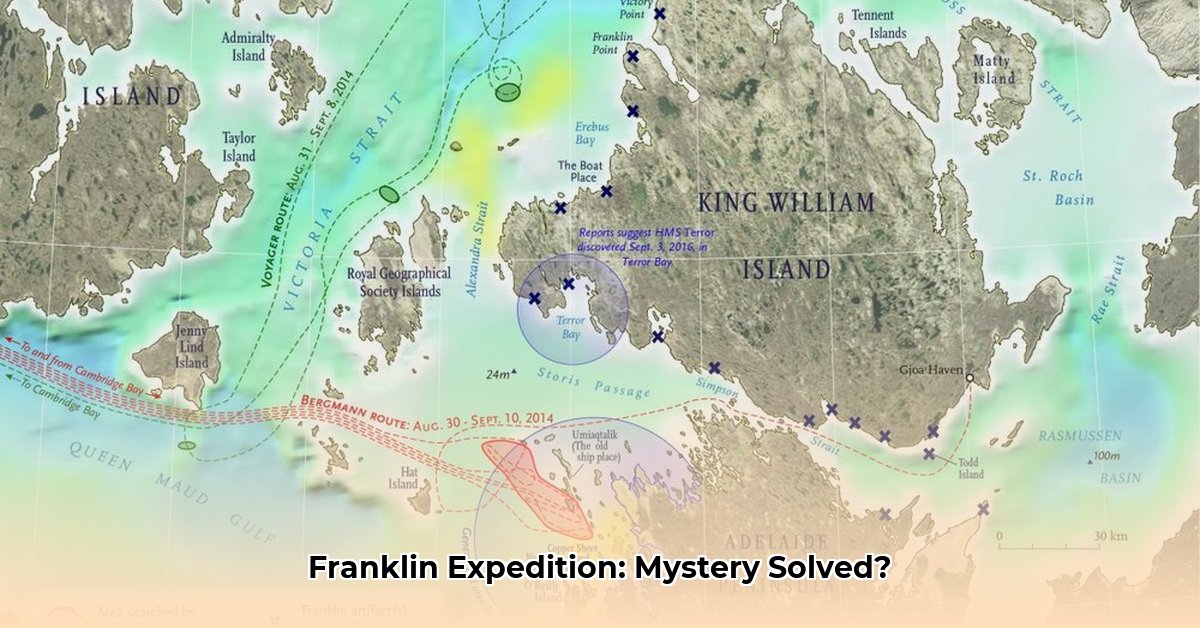
The Franklin Expedition, launched in 1845, aimed to conquer the Northwest Passage (a sea route through the Canadian Arctic), a feat that captivated and ultimately claimed the lives of 129 men. This narrative delves into the expedition's ambition, its tragic downfall, and the remarkable detective work that pieced together the harrowing story. It’s a tale of human endeavor, environmental brutality, and the surprising power of collaboration in solving a centuries-old mystery. Did the discovery of the wrecks truly solve the puzzle? Let's investigate. Learn more about King William Island's role here.
A Frozen Tomb: The Expedition's Downfall
Initially, the Erebus and Terror made progress, their crews brimming with confidence. But the Arctic's beauty masked a deadly reality. Massive, shifting ice floes trapped the ships, transforming the open sea into an inescapable icy prison. How could such a well-equipped expedition be so swiftly overcome? The answer lies in a confluence of factors. Supplies, meticulously planned, dwindled alarmingly. Even worse, scurvy—a vitamin C deficiency disease—ravaged the crew, debilitating them physically and mentally. The once-hopeful journey morphed into a desperate struggle for survival against the unforgiving environment. What were the exact causes of the expedition's failure?
Echoes from the Past: Inuit Knowledge and Modern Discovery
For years, the expedition's fate remained a chilling enigma. Yet, the Inuit, the Arctic's longtime inhabitants, held the key. Their oral histories—passed down through generations—spoke of wrecked ships and a tragic tale of survival and death. Initially dismissed, these accounts were later corroborated by sophisticated modern technology. Sonar technology, combined with the Inuit's invaluable knowledge, pinpointed the Erebus in 2014 and the Terror in 2016, proving the accuracy of the age-old stories. This partnership between indigenous knowledge and advanced science was key to unlocking the mysteries surrounding the expedition. How could oral history, passed down through generations, provide such crucial answers?
A Grim Discovery: Evidence from the Wrecks
The discovery of the wrecks unveiled a scene of unimaginable hardship. Skeletal remains revealed stark evidence of starvation and malnutrition. Disturbingly, cut marks on some bones indicated cannibalism, a desperate act of survival in the face of extreme deprivation. This horrific discovery confirmed the Inuit's grim accounts, painting a vivid, brutal picture of the expedition's final days. How did such a determined group of men descend into such acts of desperation? This raises questions about the failures of planning, preparation, and the unforgiving nature of the Arctic environment.
Unanswered Questions and Ongoing Investigations
Despite the significant findings, many mysteries persist. The precise location of Franklin's grave remains unknown. The exact sequence of events leading to the catastrophe remains elusive. While lead poisoning from canned food and scurvy are likely culprits, the precise interplay of these factors is still under investigation. Ongoing research continues, analyzing artifacts recovered from the wrecks, hoping to finally unveil the complete story. What other secrets might these frozen tombs still hold?
Lessons Learned: The Endurance of the Human Spirit and the Value of Indigenous Knowledge
The Franklin Expedition serves as both a cautionary tale and a testament to human resilience. It underscores the crucial need for meticulous planning, advanced technology, and the vital role of indigenous knowledge in Arctic exploration. The expedition's failure emphasizes the severe consequences of inadequate preparation and the unforgiving nature of the Arctic environment. But it also celebrates the remarkable power of Inuit oral traditions, which ultimately proved indispensable in solving the mystery. What can modern explorers learn from this tragic event? The answer lies in understanding the critical balance between technological advancement and respect for indigenous wisdom.
How to Prevent Scurvy on Modern Arctic Expeditions
Key Takeaways:
- The Franklin Expedition's failure stemmed from inadequate provisions and the harsh Arctic environment.
- Lead poisoning from food, severe ice conditions, and scurvy combined to cause the expedition's downfall.
- Modern expeditions must utilize advanced food preservation and robust contingency plans.
- Collaboration between science and indigenous knowledge is crucial for success.
The Frozen Grave of Ambition: Franklin's Fate
Sir John Franklin's expedition, aiming to conquer the Northwest Passage, ultimately met a catastrophic end. The Erebus and Terror were trapped in relentless ice. A confluence of factors contributed to this tragedy: the unforgiving Arctic conditions, inadequate food supplies (contaminated by lead), and widespread scurvy.
A Perfect Storm of Disasters
The Arctic's harsh environment was a major factor. But inadequate food played a significant role. Lead leaching from food cans caused severe neurological and physical impairments. Combined with widespread scurvy—a vitamin C deficiency—this weakened the crew, making them vulnerable. How could such a seemingly well-planned expedition suffer such a devastating failure?
The Silent Killer: Scurvy's Shadow
Scurvy's devastating effects were amplified by a lack of readily available Vitamin C. While lemon juice was provided, its effectiveness might have been compromised by storage issues or insufficient quantities. Modern expeditions take stringent measures to prevent scurvy, employing superior food preservation, regular vitamin supplementation, and careful planning.
Lessons Learned: From Disaster to Prevention
The Franklin Expedition's tragedy provides critical lessons. Modern expeditions incorporate advanced risk assessments, superior food preservation techniques, and more robust contingency plans than ever before. Continuous research into nutritional deficiencies enhances the preparedness of modern arctic expeditions.
Technology vs. The Elements
While the Erebus and Terror utilized advanced technology, it proved insufficient against the Arctic's power. Modern expeditions benefit from advanced tools: ice forecasting, satellite communication, and sophisticated navigation. This technological advantage significantly reduces but doesn't eliminate risks.
A Collaborative Approach: Indigenous Knowledge
The crucial role of Inuit oral histories emphasizes the integration of indigenous knowledge with scientific methods. Respecting and incorporating local expertise enhances expedition safety and success. The Franklin Expedition’s legacy stresses the value of collaboration in confronting the challenges of the Arctic.